
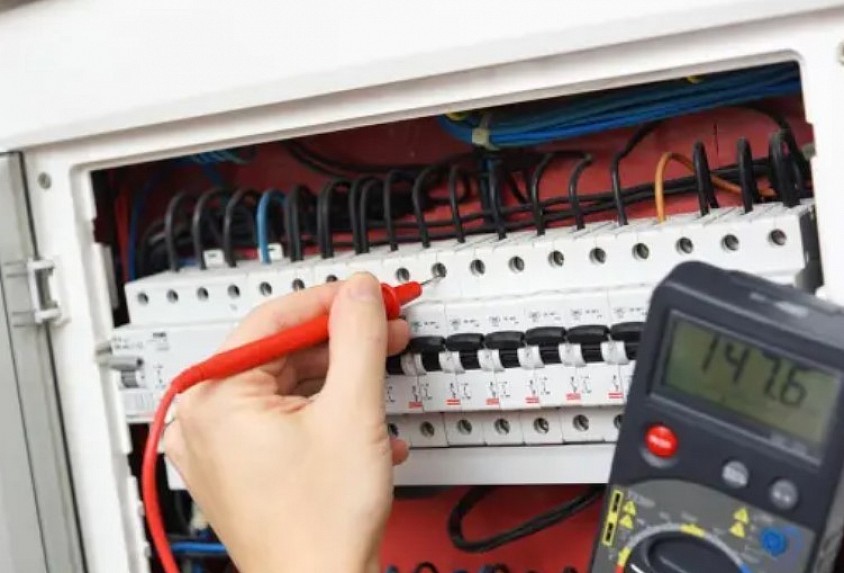
Power Safety Priorities When You Need an emergency electrician Toronto
Urban electrical systems keep homes and businesses moving, but when something goes wrong, quick, informed decisions can prevent damage and protect people. Understanding when to act, what to check, and how to prepare can make all the difference during urgent situations. The following guide outlines practical steps and insights that help property owners navigate electrical issues confidently and safely while knowing when to call an expert such as an emergency electrician Toronto.
1) Recognize true emergencies fast
- Burning smells, sizzling sounds, visible arcing, or outlets and switches that are hot to the touch signal immediate danger.
- Partial power with lights rapidly flickering, repeated breaker trips without a clear cause, or shocks from appliances require urgent attention.
- Water exposure near panels or outlets—especially after storms or leaks—demands power shutoff and professional help right away.
2) Know the first safety steps
- If safe, switch off the affected circuit at the breaker. If you’re uncertain which circuit is involved, turn off the main breaker and use flashlights for visibility.
- Keep people and pets away from affected areas, especially if there is any chance of energized water or damaged wiring.
- Unplug sensitive electronics to reduce risk of further damage from surges or unstable voltage.
3) Avoid risky DIY troubleshooting
- Removing panel covers, bypassing breakers, or “testing” suspect wiring without proper tools and training can escalate hazards.
- Electrical components can remain dangerous even when switched off due to residual energy or misidentified circuits.
- Safe troubleshooting focuses on observation and isolation, not disassembly. Document what you see so a professional can diagnose quickly.
4) Watch for seasonal and building-specific triggers
- Sudden cold snaps can stress older wiring and reveal weak connections. Heat waves often spike demand and expose undersized circuits.
- In condos and mixed-use buildings, shared infrastructure compounds issues; what looks like a single-unit problem may originate in a common area or supply line.
- After heavy rain or snowmelt, moisture infiltration around exterior outlets, basements, or garages raises shock and corrosion risks.
5) Manage power quality to protect equipment
- Voltage dips and spikes can shorten the life of appliances and electronics. Surge protection at both the point of use and the panel level can help.
- If lights dim when large appliances start, it may indicate overloaded circuits or undersized wiring that warrants professional evaluation.
- Frequent nuisance tripping often points to underlying imbalances rather than a “bad breaker.”
6) Build a simple outage and emergency checklist
- Keep flashlights, fresh batteries, and a portable power bank in an accessible spot.
- Label your breaker panel clearly so you can isolate circuits quickly during an incident.
- Maintain a list of critical devices and know how to safely shut them down in a hurry. Document where your main shutoff is and ensure family members know its location.
7) Prioritize childproofing and aging-in-place safety
- Tamper-resistant receptacles, nightlights along hallways, and clearly labeled switches reduce risks in multi-generational homes.
- For mobility considerations, ensure switches and outlets are reachable and that pathways to panels remain unobstructed.
- Regularly inspect cords for frays, avoid overloading power strips, and keep space heaters on dedicated, properly rated circuits.
8) Understand indicators of wiring fatigue
- Persistent warm spots on walls near outlets, discolored faceplates, or a faint buzzing sound from fixtures can hint at loose connections.
- Older aluminum branch wiring, knob-and-tube, or mixed wiring systems need special attention and compatible components.
- If you inherit a property with unknown electrical history, a comprehensive inspection sets a safe baseline.
9) Plan for reliable emergency response
- Keep contact details for an emergency electrician Toronto readily available and stored in your phone and on your fridge.
- When you call, provide clear symptoms, the breaker status, any smells or sounds, and recent weather or renovation activity.
- Make the area safe for arrival: pets secured, space cleared to the panel, and any affected rooms ventilated if there was smoke.
10) Commit to preventative maintenance
- Schedule periodic assessments to catch loose terminations, aging components, and undersized circuits before they fail.
- Test GFCI and AFCI devices regularly and replace faulty units promptly.
- Consider strategic upgrades—like dedicated circuits for major appliances or improved grounding—to reduce the likelihood of future emergencies.
Preparedness and prompt action help prevent injuries and minimize damage. By recognizing warning signs, following safe first steps, and contacting an experienced professional such as an emergency electrician Toronto, property owners can navigate urgent electrical issues with confidence and care.
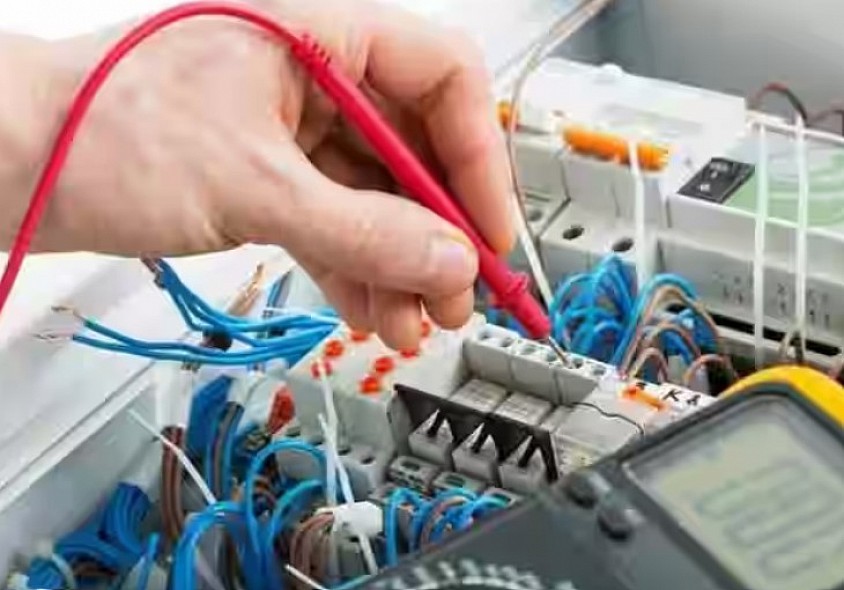
Why choosing a licensed electrician Toronto elevates safety and performance
Hiring the right professional for electrical work is about more than convenience; it’s about safeguarding people, property, and long-term system reliability. Electrical systems are complex networks that demand technical skill, code knowledge, and precise execution. That’s why many homeowners and businesses prioritize — licensed electrician Toronto — when planning projects or addressing concerns. The following points outline practical reasons this choice supports safer, more dependable outcomes across residential and commercial settings.
1. Verified competence and accountability
A licensed professional meets defined standards for training, safety practices, and code compliance. This verification gives clients confidence that the person handling wiring, circuits, grounding, and protective devices understands how to prevent hazards like arcing, overloading, and shock risks. Licensing also introduces accountability through regulatory oversight, encouraging consistent workmanship and ethical conduct.
2. Code compliance that stands up over time
Electrical codes evolve to reflect new safety research, materials, and technologies. A licensed electrician Toronto keeps pace with these changes and applies them to planning, installation, and documentation. Properly sized conductors, correctly rated breakers, and compliant grounding and bonding all help reduce failures, nuisance tripping, and potential fire hazards. Code-aligned work is also more likely to pass inspections smoothly, helping projects stay on track.
3. Accurate load calculations and panel planning
Whether upgrading spaces or adding new equipment, accurate load assessments prevent overload conditions and voltage drops that can shorten equipment life. Professionals evaluate existing demand, future capacity, and circuit distribution to balance loads and maintain stable performance. They also consider harmonic distortion, power factor, and selective coordination in more complex settings to improve efficiency and resilience.
4. Thoughtful design for functionality and comfort
A safe system should also feel intuitive and convenient to use. Licensed experts help plan receptacle placement, lighting layouts, dedicated circuits, and control locations so that everyday tasks are simpler and more comfortable. They think through factors like accessibility, ambient and task lighting balance, and the adaptability of circuits for future needs—valuable in growing households or expanding workspaces.
5. Rigorous testing and documentation
Quality electrical work doesn’t end at installation. Testing with calibrated instruments verifies continuity, polarity, grounding integrity, insulation resistance, and correct breaker operation. Meticulous labeling and documentation make future maintenance easier and reduce guesswork. When a licensed electrician Toronto maintains thorough records, clients gain a clear roadmap for future changes and troubleshooting.
6. Enhanced safety culture on-site
Professional electricians follow lockout/tagout practices, use appropriate personal protective equipment, and organize work areas to minimize hazards. This safety-first approach protects both the crew and the occupants of the property. It also reduces the likelihood of callbacks related to avoidable issues, from loose terminations to improper device ratings.
7. Energy-conscious choices that add value
Rising energy costs make efficiency more important than ever. A licensed professional can recommend practical steps that improve electrical performance and reduce waste, such as right-sizing circuits, aligning lighting controls with usage patterns, and choosing compatible components that minimize standby losses. Good design and careful component selection help maintain comfort while keeping consumption in check.
8. Future-ready infrastructure and adaptability
Technology continues to change how homes and businesses use power. Planning for expansion room in panels, routing conduit thoughtfully, and allowing space for additional circuits help systems adapt over time without unnecessary rework. This forward-looking approach supports renovations, equipment changes, and evolving lifestyle needs with minimal disruption.
9. Troubleshooting that targets root causes
Electrical symptoms can be misleading without proper diagnostic tools and experience. Licensed professionals isolate issues by assessing voltage stability, breaker behavior, conductor conditions, and device compatibility. By addressing underlying causes, they help prevent recurring problems and protect sensitive equipment.
10. Peace of mind from start to finish
From permits and coordination to final checks and client walkthroughs, working with a licensed electrician Toronto provides clarity and reassurance. Clients can trust that safety, durability, and usability have been prioritized at every step, and that the finished result aligns with modern standards and practical needs. This confidence is invaluable when protecting a home or business investment.
Electrical systems are foundational to daily life. Partnering with a credentialed professional ensures that foundation is safe, efficient, and ready for the future.